Saint Lucia Local Guide for a Better Island Day

The first thing many visitors notice after leaving the airport or cruise port is that Saint Lucia is not an island to rush. The roads curve through green hills, fishing villages, banana farms, and coastal viewpoints that deserve more than a quick photo from a bus window. This Saint Lucia local guide helps you plan an island day that feels fun, comfortable, and realistic – whether you have a few hours ashore or a full week to enjoy the island.

Saint Lucia rewards travelers who choose a plan that matches their time, energy, and location. A beach afternoon near your hotel can be wonderfully easy. A full day to Soufriere and the Pitons is unforgettable, but it includes mountain roads, several stops, and a longer drive. Knowing the difference before you set out makes the day far more enjoyable.

Start With Your Time and Pickup Point

Your arrival point shapes the best route. Cruise guests are generally picked up near the Castries port, while visitors flying in arrive at Hewanorra International Airport in the south. Resorts and villas are spread across the island, from Rodney Bay and Cap Estate in the north to Marigot Bay, Soufriere, and the south coast.

If you are visiting on a cruise ship, build your day around a return time with room to spare. A private or small-group excursion can make a major difference here because the schedule is planned around your ship’s all-aboard time, not a large coach’s fixed route. Tell your guide when you must be back at the port, and keep a little buffer for traffic, photo stops, or a snack you decide you cannot pass up.

For vacationers, the best choice depends on how many days you have. On a shorter stay, it is usually smarter to group sights by area rather than trying to see every corner of the island in one day. Spend a north-island day around Castries, Marigot Bay, and a beach, then reserve a separate day for Soufriere, the mud baths, and the Twin Pitons.

The Saint Lucia Local Guide to Top Stops

Marigot Bay: A Beautiful First Look

Marigot Bay is one of the island’s most photographed natural harbors, framed by lush hills and anchored boats. It works especially well for travelers staying in or passing through the north and central west coast. The bay is a lovely scenic stop, but it is not usually where you need to spend half a day unless you are planning lunch, a boat ride, or time by the water.

A good local guide knows where the best viewpoints are and how to time the stop. Early and mid-morning can feel calmer, while later in the day may be better if you want a relaxed meal or a sunset atmosphere.

Castries, Markets, and Island History

Castries is Saint Lucia’s capital and a useful stop for visitors who want to see daily island life beyond the resort. Depending on the day and timing, you may find local produce, spices, souvenirs, and small shops around the market area. It is not a polished shopping mall experience, and that is part of its character.

Ask your guide to point out historic landmarks along the route, including government buildings, churches, and the harbor area. A short Castries visit works well for cruise passengers who want sightseeing without committing to a long cross-island drive.

Banana Plantations and Roadside Flavors

Bananas have long been part of Saint Lucia’s agricultural story, and plantation views are a natural feature of many west-coast routes. These are often quick stops, yet they give visitors a better sense of the island’s working landscape. You may also see breadfruit, cocoa, mangoes, coconuts, and other tropical crops depending on the season.

Keep an open mind about roadside refreshments. Fresh fruit, local bread, and island drinks can become some of the most memorable parts of a tour. If you have dietary needs or food allergies, mention them before the day begins so your guide can help you make comfortable choices.

The Twin Pitons and Soufriere

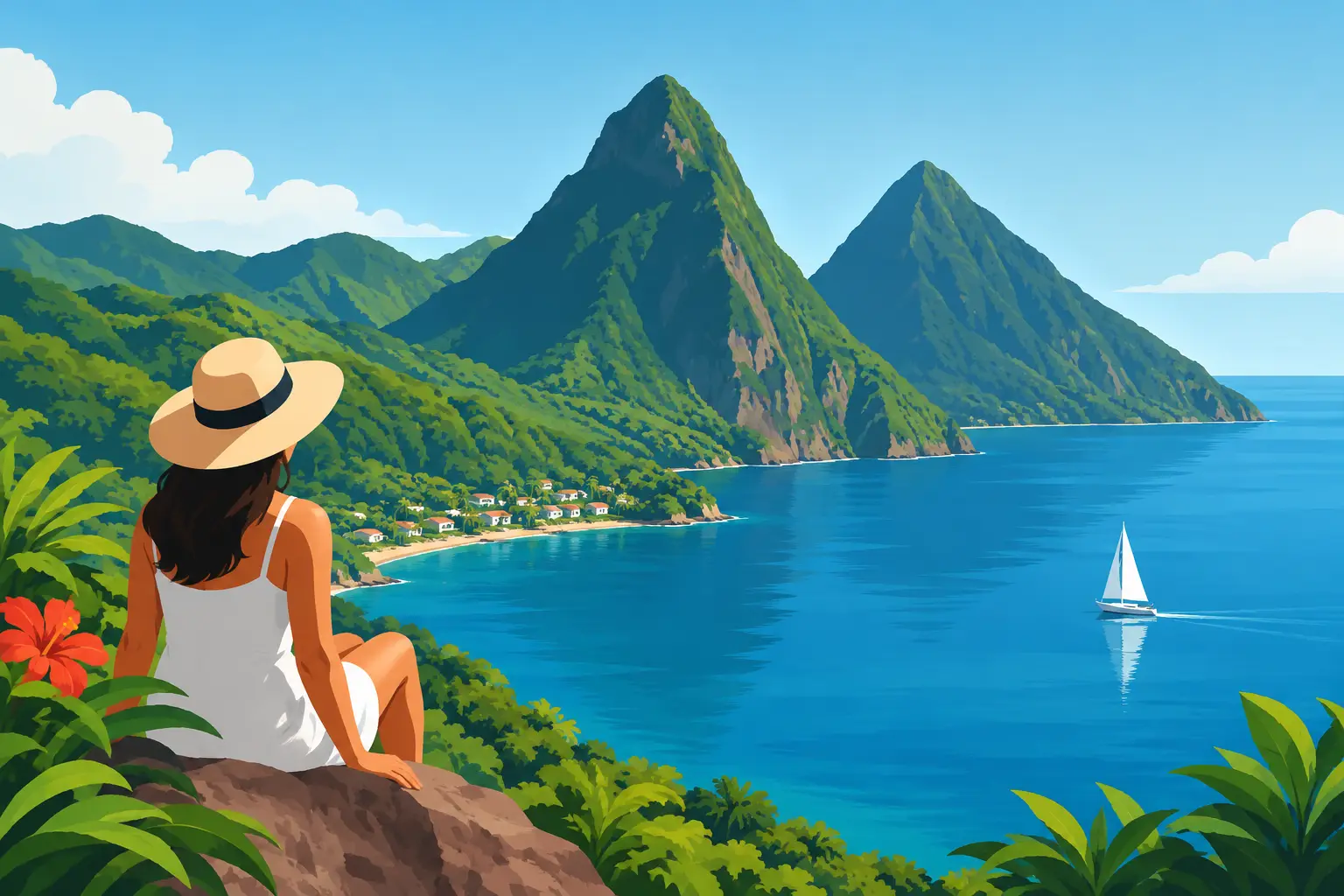
For many travelers, the Pitons are the must-see moment. Gros Piton and Petit Piton rise dramatically near Soufriere, and the best views come from a mix of roadside lookouts, coastal viewpoints, and, for some tours, the water. The drive from the north is longer, but the scenery is the reason people make the trip.

Soufriere offers more than the famous peaks. It is home to the drive-in volcano area, sulfur springs, mud baths, waterfalls, and beaches with clear views of the coastline. A full itinerary can be exciting, but it can also feel packed if you try to add every attraction. Choose two or three priorities. For example, combine a Piton viewpoint, mud baths, and a beach or waterfall instead of racing through six stops.

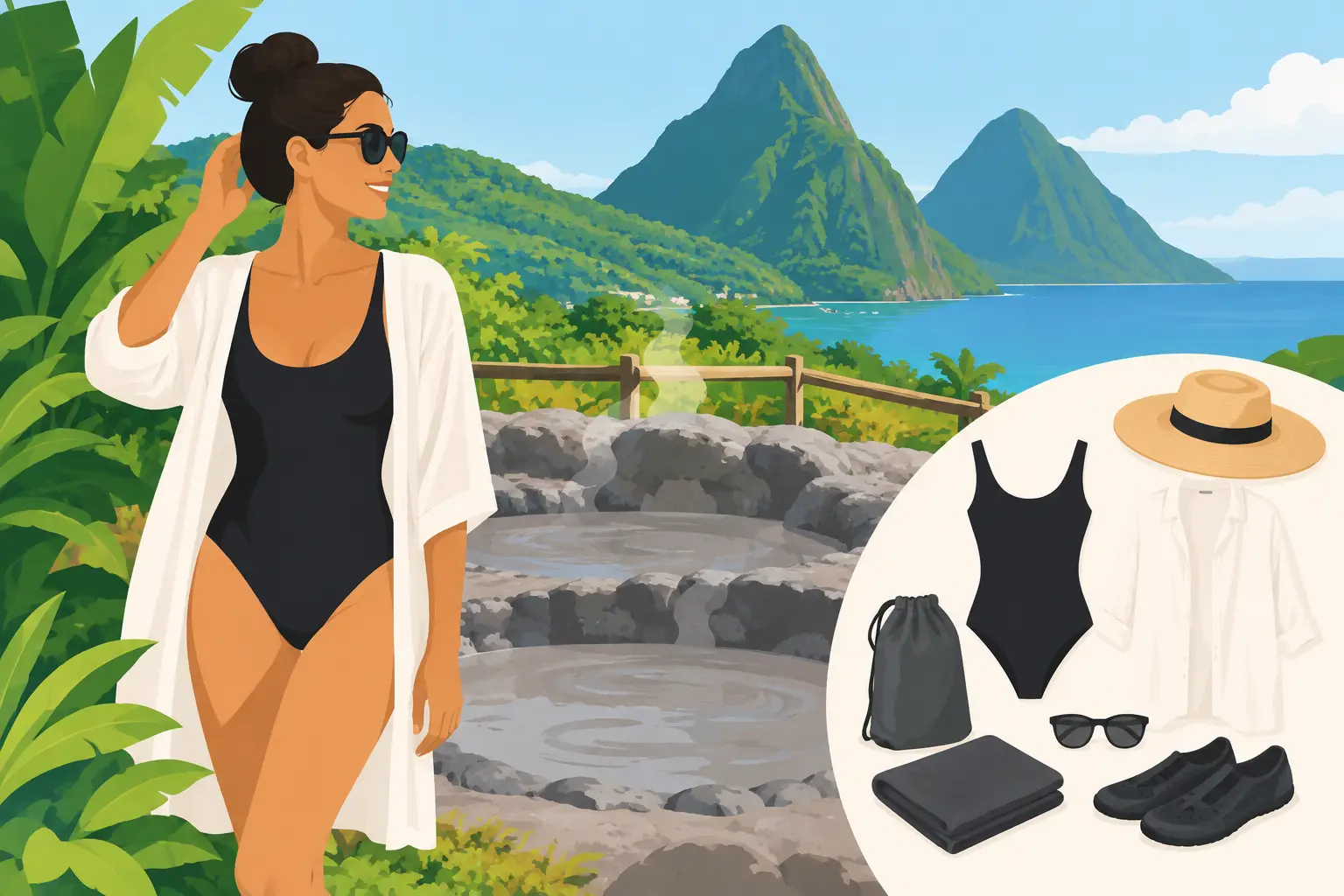
The mud baths are a favorite for couples, families with older children, and friend groups who want a playful experience and great photos. Bring swimwear, a towel, and a change of clothes. The sulfur smell is part of the experience, and it may linger a little after your visit, so plan accordingly.

Beach Time: Pick Convenience or Scenery

Not every beach day needs a long drive. Visitors staying near Rodney Bay often prefer a nearby stretch of sand where they can settle in, swim, and enjoy lunch without spending hours in the vehicle. Guests heading south may choose a beach with a Piton view, where the journey is part of the adventure.

The trade-off is simple: nearby beaches give you more time in the water, while scenic south-island beaches offer a bigger sightseeing day. If you are traveling with young children, mobility concerns, or a limited cruise schedule, convenience is often the better choice. If this is your one chance to see the Pitons, the extra travel time is worth considering.

Getting Around Saint Lucia Comfortably

Saint Lucia’s terrain is beautiful because it is mountainous, and that means roads can be narrow and winding outside the main town areas. Visitors who are not used to driving on the left side of the road may find a local driver-guide more relaxing than renting a vehicle. You can enjoy the views, ask questions, and avoid worrying about directions, parking, and unfamiliar turns.

Private transportation is particularly helpful for airport arrivals and departures. After a long flight, having a driver waiting with a clear plan for your resort or villa takes the stress out of the first day. The same is true for an early flight home, when reliable pickup timing matters more than fitting in one last unplanned stop.

When comparing transportation or tours, ask what is included: pickup location, duration, entrance fees, meals, drinks, beach chairs, and whether the experience is private, semi-private, or shared. The lowest advertised price is not always the best value if it leaves out items you expected to be covered. Clear pricing and a planned route make it easier to budget for the day.

A Few Practical Tips Before You Go

Pack for changing conditions. Saint Lucia can be sunny at the beach and rainy in the hills on the same afternoon. Lightweight clothing, comfortable shoes, sunscreen, a hat, and a reusable water bottle are useful for most outings. Bring cash for small purchases, tips, or local snacks, while keeping cards available for larger expenses where accepted.

Do not schedule a major island tour on the same day as a late arrival unless you are comfortable with a lighter pace. Give yourself time to settle in. Likewise, save a little flexibility for weather. A passing shower rarely ruins a tour, but it may change the order of stops or make a viewpoint better later in the day.

For personalized sightseeing, beach excursions, airport transfers, and cruise-friendly island days, Harris Excursions can help match the route to your group size, pickup point, and available time. A local plan should feel like your vacation, not a checklist someone else handed you.

Leave room for the unexpected: a mountain view after the clouds lift, a friendly conversation at a roadside stand, or an extra few minutes by the sea. Those small moments are often what travelers remember most when they think back on Saint Lucia.


By |2026-09-10T22:16:47-04:00September 10, 2026|Uncategorized|0 Comments

About the Author:

Leave A Comment

Saint Lucia Local Guide for a Better Island Day

The first thing many visitors notice after leaving the airport or cruise port is that Saint Lucia is not an island to rush. The roads curve through green hills, fishing villages, banana farms, and coastal viewpoints that deserve more than a quick photo from a bus window. This Saint Lucia local guide helps you plan an island day that feels fun, comfortable, and realistic – whether you have a few hours ashore or a full week to enjoy the island.

Saint Lucia rewards travelers who choose a plan that matches their time, energy, and location. A beach afternoon near your hotel can be wonderfully easy. A full day to Soufriere and the Pitons is unforgettable, but it includes mountain roads, several stops, and a longer drive. Knowing the difference before you set out makes the day far more enjoyable.

Start With Your Time and Pickup Point

Your arrival point shapes the best route. Cruise guests are generally picked up near the Castries port, while visitors flying in arrive at Hewanorra International Airport in the south. Resorts and villas are spread across the island, from Rodney Bay and Cap Estate in the north to Marigot Bay, Soufriere, and the south coast.

If you are visiting on a cruise ship, build your day around a return time with room to spare. A private or small-group excursion can make a major difference here because the schedule is planned around your ship’s all-aboard time, not a large coach’s fixed route. Tell your guide when you must be back at the port, and keep a little buffer for traffic, photo stops, or a snack you decide you cannot pass up.

For vacationers, the best choice depends on how many days you have. On a shorter stay, it is usually smarter to group sights by area rather than trying to see every corner of the island in one day. Spend a north-island day around Castries, Marigot Bay, and a beach, then reserve a separate day for Soufriere, the mud baths, and the Twin Pitons.

The Saint Lucia Local Guide to Top Stops

Marigot Bay: A Beautiful First Look

Marigot Bay is one of the island’s most photographed natural harbors, framed by lush hills and anchored boats. It works especially well for travelers staying in or passing through the north and central west coast. The bay is a lovely scenic stop, but it is not usually where you need to spend half a day unless you are planning lunch, a boat ride, or time by the water.

A good local guide knows where the best viewpoints are and how to time the stop. Early and mid-morning can feel calmer, while later in the day may be better if you want a relaxed meal or a sunset atmosphere.

Castries, Markets, and Island History

Castries is Saint Lucia’s capital and a useful stop for visitors who want to see daily island life beyond the resort. Depending on the day and timing, you may find local produce, spices, souvenirs, and small shops around the market area. It is not a polished shopping mall experience, and that is part of its character.

Ask your guide to point out historic landmarks along the route, including government buildings, churches, and the harbor area. A short Castries visit works well for cruise passengers who want sightseeing without committing to a long cross-island drive.

Banana Plantations and Roadside Flavors

Bananas have long been part of Saint Lucia’s agricultural story, and plantation views are a natural feature of many west-coast routes. These are often quick stops, yet they give visitors a better sense of the island’s working landscape. You may also see breadfruit, cocoa, mangoes, coconuts, and other tropical crops depending on the season.

Keep an open mind about roadside refreshments. Fresh fruit, local bread, and island drinks can become some of the most memorable parts of a tour. If you have dietary needs or food allergies, mention them before the day begins so your guide can help you make comfortable choices.

The Twin Pitons and Soufriere

For many travelers, the Pitons are the must-see moment. Gros Piton and Petit Piton rise dramatically near Soufriere, and the best views come from a mix of roadside lookouts, coastal viewpoints, and, for some tours, the water. The drive from the north is longer, but the scenery is the reason people make the trip.

Soufriere offers more than the famous peaks. It is home to the drive-in volcano area, sulfur springs, mud baths, waterfalls, and beaches with clear views of the coastline. A full itinerary can be exciting, but it can also feel packed if you try to add every attraction. Choose two or three priorities. For example, combine a Piton viewpoint, mud baths, and a beach or waterfall instead of racing through six stops.

The mud baths are a favorite for couples, families with older children, and friend groups who want a playful experience and great photos. Bring swimwear, a towel, and a change of clothes. The sulfur smell is part of the experience, and it may linger a little after your visit, so plan accordingly.

Beach Time: Pick Convenience or Scenery

Not every beach day needs a long drive. Visitors staying near Rodney Bay often prefer a nearby stretch of sand where they can settle in, swim, and enjoy lunch without spending hours in the vehicle. Guests heading south may choose a beach with a Piton view, where the journey is part of the adventure.

The trade-off is simple: nearby beaches give you more time in the water, while scenic south-island beaches offer a bigger sightseeing day. If you are traveling with young children, mobility concerns, or a limited cruise schedule, convenience is often the better choice. If this is your one chance to see the Pitons, the extra travel time is worth considering.

Getting Around Saint Lucia Comfortably

Saint Lucia’s terrain is beautiful because it is mountainous, and that means roads can be narrow and winding outside the main town areas. Visitors who are not used to driving on the left side of the road may find a local driver-guide more relaxing than renting a vehicle. You can enjoy the views, ask questions, and avoid worrying about directions, parking, and unfamiliar turns.

Private transportation is particularly helpful for airport arrivals and departures. After a long flight, having a driver waiting with a clear plan for your resort or villa takes the stress out of the first day. The same is true for an early flight home, when reliable pickup timing matters more than fitting in one last unplanned stop.

When comparing transportation or tours, ask what is included: pickup location, duration, entrance fees, meals, drinks, beach chairs, and whether the experience is private, semi-private, or shared. The lowest advertised price is not always the best value if it leaves out items you expected to be covered. Clear pricing and a planned route make it easier to budget for the day.

A Few Practical Tips Before You Go

Pack for changing conditions. Saint Lucia can be sunny at the beach and rainy in the hills on the same afternoon. Lightweight clothing, comfortable shoes, sunscreen, a hat, and a reusable water bottle are useful for most outings. Bring cash for small purchases, tips, or local snacks, while keeping cards available for larger expenses where accepted.

Do not schedule a major island tour on the same day as a late arrival unless you are comfortable with a lighter pace. Give yourself time to settle in. Likewise, save a little flexibility for weather. A passing shower rarely ruins a tour, but it may change the order of stops or make a viewpoint better later in the day.

For personalized sightseeing, beach excursions, airport transfers, and cruise-friendly island days, Harris Excursions can help match the route to your group size, pickup point, and available time. A local plan should feel like your vacation, not a checklist someone else handed you.

Leave room for the unexpected: a mountain view after the clouds lift, a friendly conversation at a roadside stand, or an extra few minutes by the sea. Those small moments are often what travelers remember most when they think back on Saint Lucia.

By |2026-09-10T22:16:47-04:00September 10, 2026|Uncategorized|0 Comments

About the Author:

Leave A Comment